EN


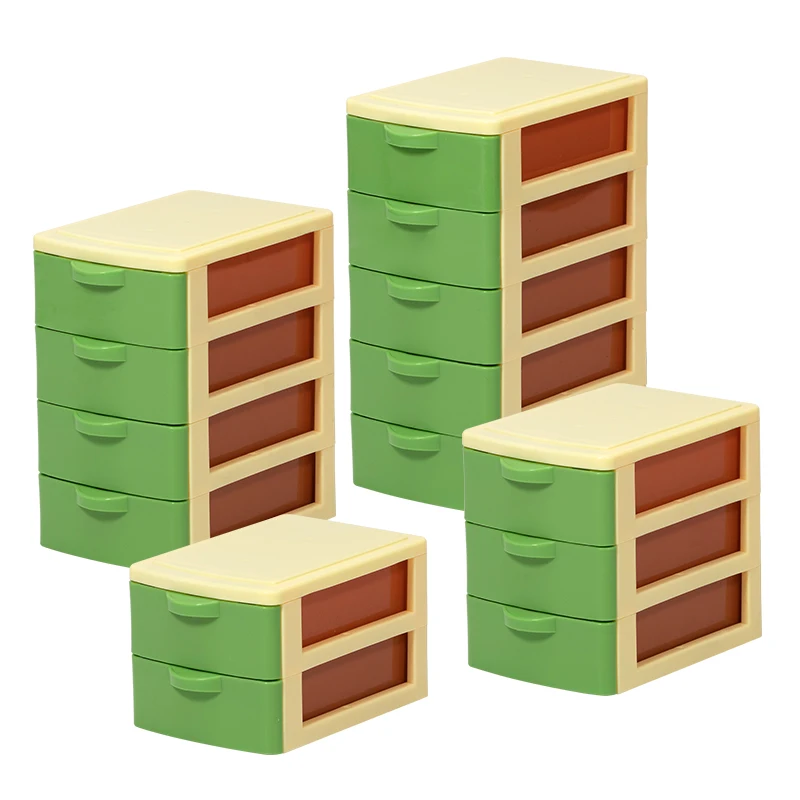
Bulk plastic storage boxes are essential tools for home organizers, providing effective solutions for clutter management and efficient storage. As a B2B buyer looking to import these products, it’s vital to understand key considerations that will impact your purchasing decisions, including product quality, specifications, and cost factors. This guide will help you navigate the process of sourcing bulk plastic storage boxes, ensuring you make informed decisions that align with your organizational needs.
What to Consider When Choosing Bulk Plastic Storage Boxes
When selecting bulk plastic storage boxes, several factors need careful consideration. First, evaluate the intended application. Will these boxes be used for lightweight household items or heavier industrial materials? The weight capacity and durability of the plastic will vary based on the intended use.
Next, consider the size and dimensions of the boxes. Standardized sizes can facilitate stacking and efficient use of space, while customizable dimensions may be necessary for specific storage needs. Additionally, assess the design features, such as lids, handles, and stackable, which can enhance functionality.
Material selection is also crucial. Common plastics used in storage box series include polypropylene and polyethylene, known for their durability and resistance to impact. Ensure that the material is food-grade certified if the boxes will store food items, as this affects safety and compliance with regulations.
Finally, think about the environmental impact. Many manufacturers, including SHUNXING PLASTIC FACTORY, offer eco-friendly options made from recycled materials, which can align with sustainability goals.
How to Evaluate the Quality of Plastic Storage Boxes for Import
Quality evaluation of plastic storage boxes is paramount for ensuring longevity and performance. Start by confirming the manufacturer's certifications, such as ISO9001, which indicate adherence to quality management systems. Inspecting the production process also provides insights into quality control measures and consistency in output.
A thorough inspection of physical samples is essential. Look for any signs of defects, such as warping, cracking, or uneven surfaces. The thickness of the plastic should be uniform, as variations can indicate inferior manufacturing practices. Additionally, consider conducting drop tests or stress tests to evaluate how the boxes perform under pressure or impact.
It's advisable to request detailed specifications from the supplier, covering aspects such as material properties, load capacity, and resistance to chemicals or UV exposure. This information not only informs quality assessment but also helps in determining suitability for specific applications.
Comparing Specifications of Bulk Plastic Storage Boxes for Projects
When comparing specifications across different suppliers, it’s important to create a checklist that highlights critical attributes. Key specifications include:
Material Type: Understand the differences between polypropylene and polyethylene, as they offer distinct benefits in terms of durability and flexibility.
Dimensions: Document the dimensions of each plastic storage boxes, ensuring they meet your organizational needs without sacrificing space efficiency.
Load Capacity: Verify the maximum weight the boxes can safely hold, particularly if they will be used in commercial or industrial settings.
Closure Mechanism: Evaluate the type of closure, such as snap-on or hinged lids, based on ease of use and security requirements.
A side-by-side comparison will aid in identifying the best options for your specific project requirements. Also, consider the manufacturer's reputation and customer reviews to gauge performance in real-world applications.
Cost Factors to Consider When Purchasing Plastic Storage Boxes
Cost considerations extend beyond the initial purchase price of bulk plastic storage boxes. Start by analyzing the total cost of ownership, which includes shipping fees, import duties, and potential customization costs. Understanding the Minimum Order Quantity (MOQ) will also help in budgeting, as larger orders may reduce unit costs but increase upfront investment.
Evaluate the long-term value of the boxes. Higher-quality materials may incur a higher initial cost but can lead to savings through reduced replacement frequency and lower maintenance needs. Don’t overlook potential volume discounts or payment terms that could influence overall expenses.
Lastly, consider the supplier’s location and shipping times. Importing from manufacturers with longer lead times can impact your project schedules and incur additional logistics costs.
Common Problems with Plastic Storage Boxes and Their Solutions
When working with plastic storage boxes, buyers may encounter several common issues. One frequent problem is warping due to temperature fluctuations. To mitigate this risk, ensure that the boxes are made from heat-resistant materials, particularly if they will be exposed to varying environmental conditions or direct sunlight.
Another issue is inadequate sealing, which can lead to dust or moisture ingress. Ensure that boxes have effective sealing mechanisms, such as gaskets or tightly fitting lids. If products need to be stored in damp conditions, consider selecting boxes specifically designed to be moisture-resistant.
Additionally, buyers should be aware of the potential for brittle failure if boxes are subjected to heavy loads exceeding their specified capacity. Regularly review load limits with your supplier and conduct stress tests during sample evaluation to ensure each box meets operational requirements.
In summary, understanding the intricacies of bulk plastic storage containers imports is crucial for making informed decisions that enhance organizational efficiency. By considering factors such as material quality, specifications, cost implications, and common product challenges, B2B buyers can effectively source solutions that meet their needs.
Table of Contents
- What to Consider When Choosing Bulk Plastic Storage Boxes
- How to Evaluate the Quality of Plastic Storage Boxes for Import
- Comparing Specifications of Bulk Plastic Storage Boxes for Projects
- Cost Factors to Consider When Purchasing Plastic Storage Boxes
- Common Problems with Plastic Storage Boxes and Their Solutions