EN


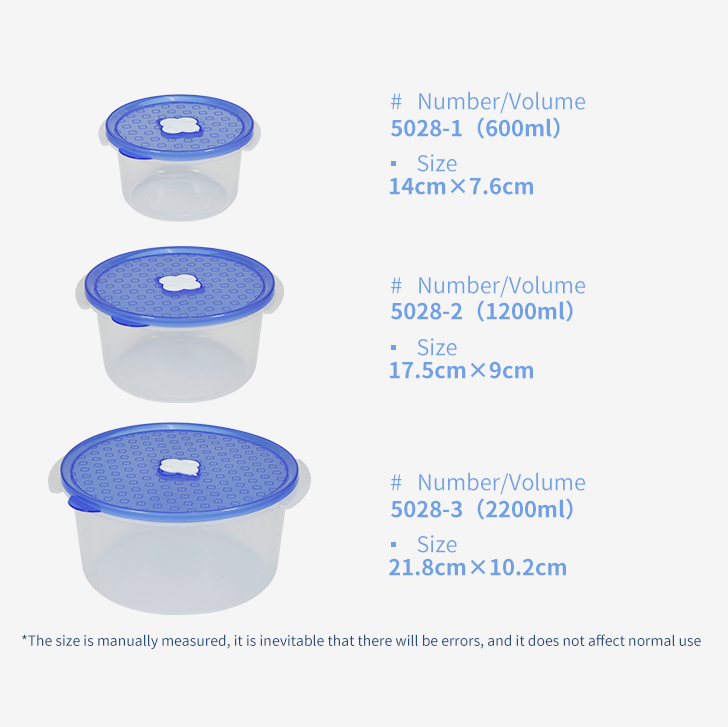
When sourcing plastic food storage containers, ensuring safety and quality is paramount. For businesses, the challenge lies in verifying potential suppliers to guarantee that the products adhere to food safety standards. This article will guide you on how to verify safe plastic food storage container suppliers, addressing key concerns such as material quality, certifications, and supplier reliability.
What to Look for in Quality Plastic Food Storage Containers
When evaluating plastic food storage containers, several critical factors determine their quality and suitability for food storage applications.
Material Safety: Ensure that the containers are made from food-grade plastics such as polypropylene (PP) or polyethylene (PE). These materials are known for their durability and resistance to chemical leaching, which can compromise food safety.
Certification Compliance: Look for food storage container that comply with relevant food safety certifications, such as FDA approval in the U.S. or EU regulations. These certifications indicate that the materials used are safe for food contact and have undergone rigorous testing.
Design Features: Quality containers should include features such as airtight seals, stackable designs, and BPA-free construction. These attributes enhance usability and help preserve food freshness.
Temperature Resistance: Check the temperature range the containers can withstand. Quality containers should be suitable for both freezing and microwaving, ensuring versatility in food storage.
Durability and Usability: Consider the thickness and sturdiness of the containers. Thicker materials typically offer better durability and resistance to cracking or breaking during handling.
Where to Source Safe and Certified Plastic Food Storage Containers
Finding reliable suppliers for safe plastic food storage containers involves several strategic steps:
Industry Directories: Utilize industry-specific directories and B2B platforms to identify potential manufacturers. Look for companies with a solid reputation and positive reviews from other buyers.
Trade Shows and Expos: Attending industry trade shows can help you connect with manufacturers and suppliers directly. It’s an opportunity to assess products firsthand, discuss specifications, and understand their manufacturing processes.
Certifications Verification: Always request documentation for certifications such as ISO9001 and food safety compliance. Reputable suppliers will readily provide this information.
Supplier Audits: Conducting supplier audits can provide insight into their production capabilities and quality control processes. This includes visiting manufacturing facilities to observe practices and equipment.
Sample Approval: Before placing bulk orders, request samples to evaluate product quality and suitability for your applications. Testing samples under actual conditions can reveal performance issues that might not be apparent on paper.
Understanding Material Advantages in Food Storage Solutions
The material used in plastic food storage containers plays a significant role in their performance. Here are key material considerations:
Polypropylene (PP): Known for its high chemical resistance and low moisture absorption, PP is ideal for food storage. It is also microwave-safe, making it convenient for reheating food.
Polyethylene (PE): Commonly used for its flexibility and toughness, PE containers are resistant to impact and can be used in both cold and hot applications, although they may not be as durable as PP.
Polycarbonate (PC): While more expensive, polycarbonate offers excellent clarity and impact resistance. However, it’s crucial to verify that it is BPA-free to ensure safety.
Additives and Coatings: Some containers may include additives that enhance properties such as UV resistance or antimicrobial features. Understanding these can help you choose the right product based on specific storage needs.
How to Evaluate Supplier Quality for Bulk Plastic Containers
Evaluating supplier quality is essential for ensuring that the plastic food storage containers you purchase meet your standards. Here are practical steps to assess supplier quality:
Quality Control Processes: Inquire about the supplier's quality control measures. Effective suppliers will have a robust QC system in place, including regular inspections and testing of materials and finished products.
Production Capacity: Assess whether the supplier can meet your volume requirements and timelines. Understanding their production capacity helps ensure they can handle both your current and future needs.
Lead Time: Discuss lead times for both sample production and bulk orders. Reliable suppliers should provide clear timelines and the ability to accommodate urgent requests.
Customer Service and Support: Evaluate their customer service responsiveness. A reliable supplier should be easy to communicate with and willing to address your inquiries or concerns promptly.
Reputation and References: Request references from other clients to gauge their experience with the supplier. Positive testimonials can provide insights into the supplier’s reliability and product quality.
Common Problems with Plastic Food Storage Containers and Solutions
While plastic food storage containers are practical, users may encounter common issues. Here’s how to address them:
Odor Retention: Some lower-quality plastics can absorb odors from food. To mitigate this, opt for high-quality materials that are specifically designed to resist odor absorption, such as certain grades of PP.
Staining and Discoloration: Food with strong pigments, like tomato sauce, can stain plastic reusable food container. Look for containers with stain-resistant properties or opt for transparent designs that can be easily cleaned.
Cracking or Warping: Over time, exposure to high temperatures can cause plastic containers to warp. Always check the temperature resistance of the material and avoid using containers in extreme conditions.
Seal Failure: If seals are not airtight, food can spoil faster. Ensure that the container design features quality seals and that you inspect these seals regularly for wear and tear.
Chemical Leaching: This can occur with inferior plastics when heated. Always choose food-grade materials with appropriate certifications to ensure safety during storage and reheating.
By following these guidelines, you can confidently verify safe plastic food storage container suppliers and make informed purchasing decisions that align with your business needs. Ensuring quality and safety in your food storage solutions is not just a regulatory requirement; it's a commitment to your customers' health and satisfaction.
Table of Contents
- What to Look for in Quality Plastic Food Storage Containers
- Where to Source Safe and Certified Plastic Food Storage Containers
- Understanding Material Advantages in Food Storage Solutions
- How to Evaluate Supplier Quality for Bulk Plastic Containers
- Common Problems with Plastic Food Storage Containers and Solutions