EN


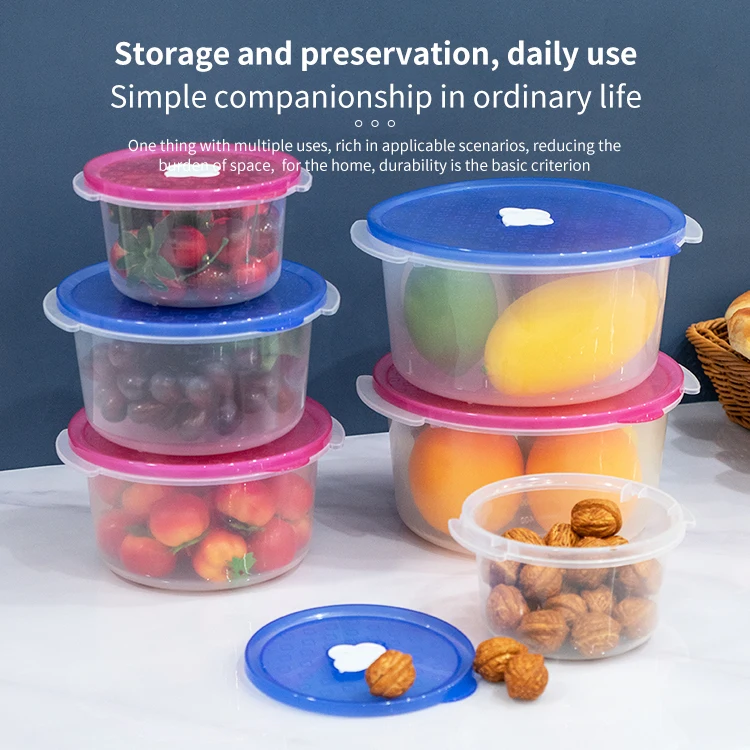
When purchasing plastic food storage containers, quality inspection is crucial for B2B buyers to ensure that the products meet specific standards and regulations. Quality inspection encompasses various factors, including materials, design, and manufacturing processes, all of which affect the performance and safety of the containers. This article will guide purchasing managers, distributors, and engineers through the essential aspects of plastic food storage container quality inspection, helping them make informed decisions when selecting suppliers.
What to Look for in Plastic Food Storage Container Quality Inspection
When conducting a quality inspection of plastic food storage containers, buyers should focus on several key aspects:
Material Compliance: Ensure that the containers are made from food-grade materials that comply with relevant regulations, such as FDA or EU standards. This is critical to guarantee that no harmful chemicals leach into food.
Manufacturing Process: Investigate the production methods used. Advanced manufacturing techniques, such as injection molding or blow molding, can enhance the durability and functionality of the containers.
Design Features: Assess the design of the containers, including their sealing mechanisms, stackable, and compatibility with various food types. Effective sealing prevents spills and maintains freshness.
Dimensions and Capacity: Confirm that the size and capacity of the food storage container meet your specific needs. Dimensions should be consistent with product specifications to ensure proper fit in storage spaces or transport containers.
Performance Testing: Look for evidence of performance testing, such as stress tests for durability, thermal stability testing, and compliance with temperature range specifications. This information can indicate how the containers will perform under real-world conditions.
By focusing on these areas during quality inspections, buyers can significantly reduce the risk of selecting substandard products that could lead to food safety issues.
How to Evaluate Supplier Reliability for Plastic Food Storage Containers
Evaluating supplier reliability is essential for ensuring a consistent supply of high-quality plastic food storage containers. Key factors to consider include:
Certifications: Verify the supplier’s certifications, such as ISO9001 and food safety certifications. These indicate adherence to quality management standards and regulatory compliance.
Production Capacity: Assess the supplier's production capacity to ensure they can meet your quantity requirements without delays. Inquire about their minimum order quantities (MOQs) and lead times.
Track Record: Research the supplier’s reputation in the industry. Look for reviews, testimonials, and case studies that highlight their reliability and quality of service.
Quality Control Processes: Inquire about the supplier's quality control measures. A robust quality management system should include regular inspections and testing of finished products to identify defects.
Communication and Responsiveness: Evaluate how responsive the supplier is to inquiries and concerns. Effective communication is crucial for addressing issues promptly and ensuring a smooth working relationship.
By considering these factors, buyers can select suppliers that not only provide high-quality containers but also foster a dependable supply chain.
Comparing Quality Standards in Plastic Food Storage Containers
Quality standards for plastic food storage containers can vary significantly depending on the intended use and target markets. Some common standards include:
FDA Regulations: In the United States, plastic food storage containers must comply with FDA regulations regarding materials that come into contact with food. This includes requirements for safety and suitability.
EU Regulations: In Europe, containers must meet stringent EU regulations, such as the Framework Regulation (EC) No 1935/2004, which ensures that materials do not adversely affect food safety.
ISO Standards: International Organization for Standardization (ISO) standards, such as ISO 22000 for food safety management systems, can also apply to manufacturers, ensuring that processes meet global quality benchmarks.
BPA-Free Certification: Many buyers prefer containers that are labeled as BPA-free, indicating that bisphenol A, a chemical linked to health risks, is not present in the materials used.
Recycling Codes: Check the recycling code on the containers, which indicates the type of plastic used. This is important for environmental compliance and end-of-life disposal considerations.
By understanding these standards, buyers can ensure that the products they choose align with industry requirements and consumer expectations for safety and quality.
Common Problems in Plastic Food Storage Containers and Their Solutions
While plastic food storage containers are widely used, they are not without potential issues. Here are some common problems and suggested solutions:
Warping or Melting: Containers may warp or melt under high temperatures, especially if not designed for microwave or dishwasher use. Buyers should confirm the temperature resistance specifications and choose containers specifically labeled for such use.
Poor Sealing: Inadequate sealing can lead to leaks and spoilage. It's essential to inspect sealing mechanisms and conduct tests to ensure they maintain integrity during storage and transportation.
Staining or Odor Retention: Some plastics can absorb odors or stains, affecting the container's usability. Opt for materials specifically designed to resist such issues, and consider containers with smooth surfaces for easy cleaning.
Brittleness: Over time, exposure to UV light or extreme temperatures can cause plastic to become brittle and break. Choose containers made from durable materials that are UV-resistant and designed for long-term use.
Chemical Leaching: Poor-quality materials may leach harmful substances into food. Always select food-grade certified food containers and verify supplier compliance with safety regulations.
By being aware of these common problems and their solutions, buyers can proactively address potential issues, ensuring a better overall experience with their food storage solutions.
Applications of Plastic Food Storage Containers in Various Industries
Plastic food storage containers are versatile and find applications across multiple industries, including:
Food Service: Restaurants and catering businesses rely on durable, food-safe containers for storing ingredients, leftovers, and prepared dishes. The ability to stack containers efficiently aids in space-saving and organization.
Retail: Grocery stores and supermarkets utilize plastic containers for packaging bulk items and ready-to-eat meals. Containers that are visually appealing and functional can enhance product presentation and customer satisfaction.
Healthcare: Hospitals and healthcare facilities use specialized containers for storing food for patients with dietary restrictions. Containers that are easy to clean and sterilize are essential in maintaining hygiene standards.
Pharmaceuticals: In the pharmaceutical industry, plastic containers are used for storing and transporting medical supplies that require strict temperature and safety conditions.
Manufacturing: Plastic food storage containers are also used in food manufacturing for ingredient storage and transport. Containers designed for specific applications can improve efficiency and reduce contamination risks.
Understanding the diverse applications of plastic food storage containers allows buyers to choose products that best suit their industry requirements while ensuring quality and compliance with relevant standards.
Table of Contents
- What to Look for in Plastic Food Storage Container Quality Inspection
- How to Evaluate Supplier Reliability for Plastic Food Storage Containers
- Comparing Quality Standards in Plastic Food Storage Containers
- Common Problems in Plastic Food Storage Containers and Their Solutions
- Applications of Plastic Food Storage Containers in Various Industries