EN


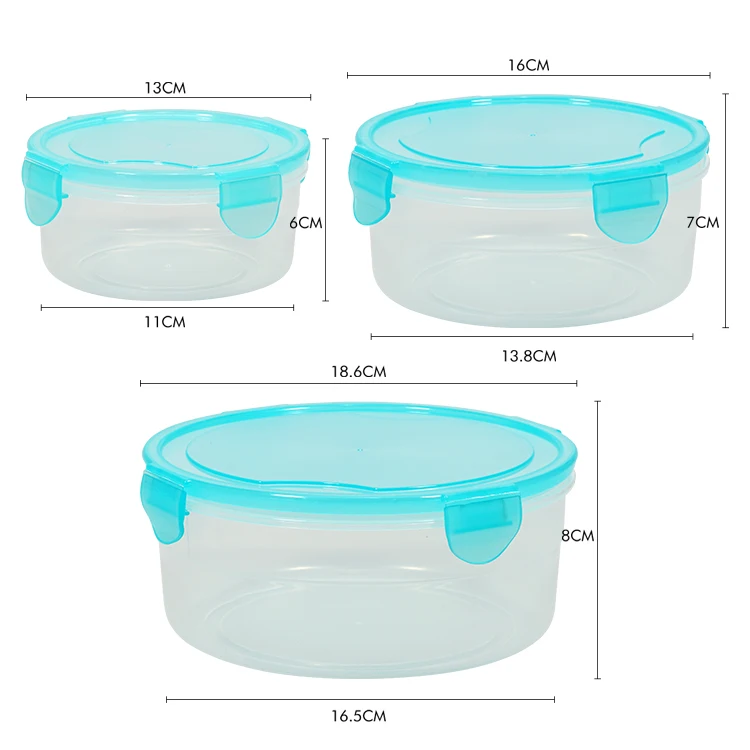
In the competitive landscape of supermarkets, choosing the right custom plastic food storage container solutions is essential for ensuring food safety, maintaining product freshness, and optimizing operational efficiency. With over 30 years of experience, SHUNXING PLASTIC FACTORY offers ISO9001 certified, food-grade products that meet the demands of global customers. This article will help purchasing managers, distributors, and other professionals understand the specifications, selection criteria, and cost factors associated with custom plastic food storage containers.
Custom Plastic Food Storage Container Specifications for Wholesale Buyers
When evaluating custom food storage containers, wholesale buyers should focus on key specifications that impact both functionality and compliance with health regulations. Important specifications include:
Material: Food-grade plastics such as polyethylene (PE) and polypropylene (PP) are commonly used due to their durability and resistance to moisture. These materials should comply with FDA guidelines for food contact.
Dimensions: Container size should be tailored to fit specific storage needs, whether for bulk ingredients or smaller retail items. Accurate dimensions are crucial for maximizing shelf space in supermarkets.
Sealing Mechanism: A robust sealing mechanism ensures food freshness and prevents contamination. Options include snap-on lids, screw tops, and airtight seals.
Temperature Resistance: Depending on the intended use, containers may need to withstand varying temperatures, particularly if products will be frozen or heated.
Custom Branding: Many wholesalers prefer containers that can feature their branding, including color, logos, and labels, enhancing product visibility on the shelves.
Understanding these specifications helps buyers ensure that the products will meet their operational needs and comply with applicable food safety regulations.
How to Choose the Right Plastic Food Storage Containers for Supermarkets
Choosing the right plastic food storage containers involves a thorough assessment of several factors. Here are some key considerations:
Application: Identify the type of food products that will be stored. Different items, such as fresh produce, dry goods, or frozen items, may require different container types and materials.
Compliance: Ensure that the plastic food container storage meet relevant food safety standards. Look for certifications like ISO9001 and food-grade compliance to guarantee safety and quality.
Durability: Containers should withstand the rigors of daily use in a supermarket setting, including stacking, transport, and temperature fluctuations.
Ease of Use: Consider the ease of handling for staff. Containers that are lightweight yet sturdy, with user-friendly lids, can improve operational efficiency.
Sustainability: Increasingly, supermarkets are seeking environmentally friendly options. Biodegradable or recyclable plastics can appeal to eco-conscious consumers.
Understanding these factors will allow buyers to select containers that not only meet their storage needs but also enhance their brand image and operational efficiency.
What to Look for in Food Storage Containers
When sourcing food storage containers, buyers should prioritize the following features:
Quality Control: Investigate the manufacturer's quality control processes. This includes checks during production, testing for material safety, and adherence to industry standards. A manufacturer like SHUNXING PLASTIC FACTORY, with extensive experience and ISO certifications, can provide assurance of quality.
Customization Options: Determine the level of customization available. Options may include sizes, colors, and printing capabilities that align with branding requirements.
Cost-effectiveness: Evaluate the total cost of ownership, including unit price, shipping costs, and potential waste reduction if containers are designed for reuse.
User Feedback: Consider reviews and testimonials from other supermarkets or businesses that have used similar products. Real-world feedback can reveal insights into durability and performance in a retail environment.
By focusing on these features, buyers can make informed decisions that align with their operational goals.
Cost Factors for Bulk Orders of Custom Plastic Food Storage Solutions
Pricing for custom plastic food storage containers can vary widely based on several factors:
Material Costs: The type of plastic selected significantly influences pricing. For example, bio-based plastics typically cost more than traditional plastics due to their manufacturing processes.
Customization Level: The more customized the reusable food containers (in terms of size, color, and branding), the higher the cost. Buyers should balance customization needs with budget constraints.
Order Volume: Bulk orders generally benefit from economies of scale. Manufacturers often offer lower per-unit prices for larger quantities, so it's wise to assess storage capabilities and order accordingly.
Logistics: Shipping costs, particularly for international orders, can add to overall expenses. It's essential to factor in transportation costs when negotiating pricing.
Lead Times: Longer lead times for custom orders may also impact pricing. Quick turnaround times can come at a premium but may be necessary for urgent needs.
Understanding these cost factors enables buyers to negotiate effectively and budget accurately for their purchases.
Where to Source Reliable Suppliers of Plastic Food Storage Containers
Finding a reliable supplier is crucial for ensuring consistent quality and service. Here are some steps to identify trustworthy manufacturers:
Industry Research: Start by researching manufacturers with a solid reputation in the industry. Look for companies with certifications such as ISO9001, which indicate adherence to quality management standards.
Trade Shows and Expos: Attending industry trade shows can provide direct access to manufacturers, allowing buyers to see products firsthand and discuss customization options.
Online Marketplaces: Utilize B2B platforms and directories to find suppliers. Look for ratings and reviews from other buyers to gauge supplier reliability.
Request Samples: Before placing a large order, request samples to assess quality, durability, and suitability for your application. This step is crucial for verifying that the products meet your specifications.
Establish Communication: A responsive supplier with clear communication channels is vital for ongoing support and troubleshooting. Evaluate how potential suppliers handle inquiries and concerns.
By following these steps, buyers can establish relationships with reliable suppliers that facilitate successful procurement of custom plastic food storage container solutions.
Table of Contents
- Custom Plastic Food Storage Container Specifications for Wholesale Buyers
- How to Choose the Right Plastic Food Storage Containers for Supermarkets
- What to Look for in Food Storage Containers
- Cost Factors for Bulk Orders of Custom Plastic Food Storage Solutions
- Where to Source Reliable Suppliers of Plastic Food Storage Containers