EN


Plastic food storage containers are essential in both commercial and residential kitchens, providing a practical solution for food preservation and organization. When considering what food-grade materials fit plastic food storage container use, it’s vital for buyers to understand the options available, ensure compliance with safety standards, and evaluate the performance characteristics of different materials. This article will guide purchasing managers, product managers, and engineers in selecting appropriate materials and navigating supplier relationships effectively.
What Food-Grade Materials Are Ideal for Plastic Food Storage Containers?
Food-grade plastic storage containers are typically made from materials like polyethylene (PE), polypropylene (PP), and polycarbonate (PC). Each material has distinct properties that affect its suitability for food storage applications.
Polyethylene (PE): This is one of the most common materials used in food storage container. Low-density polyethylene (LDPE) and high-density polyethylene (HDPE) are both durable and resistant to moisture and chemicals. They are ideal for items that require a good barrier against moisture, such as dry goods. Additionally, PE is lightweight and cost-effective, making it a popular choice for bulk purchasing.
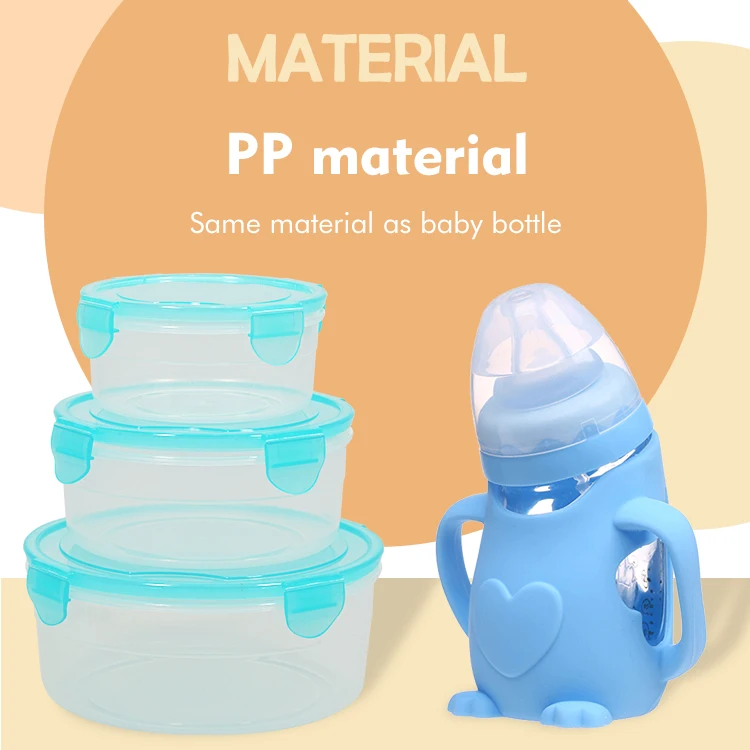
Polypropylene (PP): Known for its high melting point, polypropylene is excellent for containers that require microwave use. It is resistant to acids and bases, making it a preferred choice for storing sauces and acidic foods. Its transparency also allows for easy identification of contents without opening the container.
Polycarbonate (PC): This material is favored in environments where durability is critical. Polycarbonate containers can withstand high heat and impact, making them suitable for commercial kitchens. However, due to concerns over BPA (bisphenol A), buyers should verify that the polycarbonate used is BPA-free when purchasing.
Understanding these materials helps buyers select the right type for their specific applications while ensuring safety and compliance with food regulations.
Where to Source Reliable Food-Grade Plastic Container Suppliers
Finding reliable suppliers for food-grade plastic containers is crucial for ensuring product quality and compliance with food safety standards. Here are some strategies to identify suitable suppliers:
Industry Associations and Trade Shows: Participating in industry events can provide direct access to manufacturers and suppliers. Networking at these events can also yield recommendations for reputable companies in the kitchen food storage containers sector.
Certifications and Compliance: When evaluating suppliers, verify their certifications, such as ISO 9001 and food-grade certifications. This demonstrates their commitment to quality and compliance with safety standards. Always request documentation to confirm the materials used meet FDA or equivalent regulatory requirements.
Supplier Reviews and References: Evaluate potential suppliers by reviewing feedback from existing customers. Request references to inquire about their experiences regarding product quality, delivery reliability, and customer service.
Online Marketplaces and Directories: Utilize platforms like Alibaba, ThomasNet, or industry-specific directories to compare various suppliers. Look for those with positive ratings and extensive histories in manufacturing food-grade products.
By following these steps, buyers can build a shortlist of potential suppliers to approach for quotes and samples.
Wholesale Purchasing Guide for Food-Grade Plastic Storage Products
When preparing for bulk purchases of food-grade plastic storage products, buyers must consider several factors to ensure they receive the best value. Here are key considerations:
Minimum Order Quantity (MOQ): Different suppliers have varying MOQs, which can impact purchasing decisions. Confirm the MOQ before proceeding with an order to ensure it aligns with your business needs and budget.
Customization Options: Determine if the supplier offers customization capabilities for container sizes, shapes, or branding. Custom containers can enhance product visibility and fit specific storage requirements.
Pricing and Payment Terms: Negotiate pricing based on order volume. Inquire about payment terms, discounts for repeat orders, and any additional costs such as shipping or handling fees.
Lead Time and Delivery: Establish clear timelines for production and delivery. Understanding lead times is crucial for managing inventory and ensuring that you have adequate stock levels to meet customer demand.
Sample Approval: Before finalizing a wholesale order, request samples to evaluate the quality and performance of the containers. Testing samples under actual usage conditions can help identify any potential issues before mass production.
By addressing these factors, buyers can make informed decisions that align with their operational requirements.
Common Problems with Food-Grade Containers and Their Solutions
While food-grade plastic food storage containers are designed to provide safe storage, several common issues may arise during their use. Below are some problems and practical solutions:
Deformation Under Heat: Containers made from lower-grade materials may warp when exposed to high temperatures, such as in microwaves. To mitigate this, always choose containers specifically labeled for microwave use and verify their heat tolerance levels.
Chemical Leaching: Some plastics can leach harmful chemicals when in contact with certain foods, especially acidic items. Buyers should opt for BPA-free materials and ensure that all containers comply with relevant food safety regulations.
Odor Retention: Over time, food-grade containers can retain odors from strong-smelling foods. To address this issue, regular cleaning with a mild detergent and vinegar solution can help neutralize odors. Additionally, look for containers with odor-resistant properties.
Difficulty in Cleaning: Containers with intricate shapes or grooves can be challenging to clean. Selecting containers designed with smooth surfaces or those labeled as dishwasher-safe can simplify maintenance.
By understanding these common issues, buyers can take proactive steps to select the right containers and implement proper care techniques.
Understanding Quality Control in Food-Grade Plastic Manufacturing
Quality control (QC) is essential in the manufacturing of food-grade plastic containers to ensure product safety and consistency. Here are key aspects of an effective QC process:
Raw Material Inspection: Each batch of raw materials should undergo thorough testing to confirm compliance with safety standards. This includes checking for material purity and certification documentation.
In-Process Testing: Implementing in-line inspections during production helps identify defects early. This can include testing for dimensional accuracy, structural integrity, and adherence to design specifications.
Final Product Testing: Before shipment, finished products should be subjected to rigorous testing, including stress tests and food-safety assessments. This step ensures that the plastic food containers can withstand typical operational conditions without compromising safety.
Traceability and Documentation: Maintaining detailed records of all QC processes, including supplier certifications, test results, and batch numbers, helps ensure traceability and accountability. This documentation can be invaluable for audits and compliance verification.
By prioritizing quality control, manufacturers like SHUNXING PLASTIC FACTORY can deliver reliable food-grade products that meet customer expectations and regulatory standards.
Understanding the materials, sourcing strategies, purchasing guidelines, common issues, and quality control processes related to food-grade plastic storage containers empowers B2B buyers to make informed decisions. This knowledge not only enhances product safety but also promotes efficiency and cost-effectiveness in food storage solutions.
Table of Contents
- What Food-Grade Materials Are Ideal for Plastic Food Storage Containers?
- Where to Source Reliable Food-Grade Plastic Container Suppliers
- Wholesale Purchasing Guide for Food-Grade Plastic Storage Products
- Common Problems with Food-Grade Containers and Their Solutions
- Understanding Quality Control in Food-Grade Plastic Manufacturing