EN


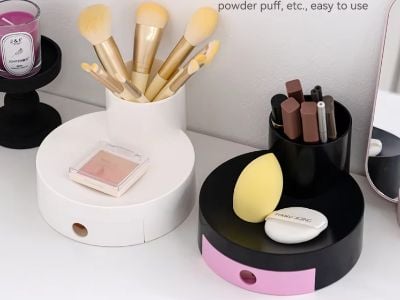
In the competitive world of stationery branding, a high-quality plastic pen holder at Shunxing is not just a functional item; it’s a statement of quality and design. This Plastic Pen Holder Manufacturing Guide for Stationery Brands provides essential insights for purchasing managers and product managers looking to source these items effectively. Key concerns for buyers include material durability, customization options, pricing, and supplier reliability. This article will help you navigate the complexities of sourcing plastic pen holders, especially at Shunxing, ensuring you make informed decisions that enhance your product offerings
Key Specifications for Bulk Orders of Plastic Pen Holders
When ordering plastic pen holders in bulk, it's crucial to consider several key specifications that impact both functionality and customer satisfaction
Material: The most common materials used are polypropylene (PP) and polystyrene (PS). Polypropylene is known for its durability and resistance to impact, making it suitable for high-traffic environments. Polystyrene, while lighter and more cost-effective, may not offer the same level of durability. Understanding the material's properties will help determine suitability for specific applications
Dimensions: Standard dimensions typically range from 3 to 5 inches in height and 3 to 4 inches in diameter. However, customization options are essential for brands seeking unique designs. Ensuring the size fits standard desk spaces is vital for user satisfaction
Design Features: Consider whether the pen holders will have additional features such as compartments for paper clips or business cards. Features that enhance utility can differentiate your product in the market
Color and Finish: The color and finish should match the branding of your stationery line. Many manufacturers offer a variety of colors and finishes, including matte and glossy options
Customization Options: Many manufacturers, including SHUNXING PLASTIC FACTORY, provide customization in terms of printing logos or specific colors. Be sure to discuss these options upfront to align with your branding strategy
Where to Source Reliable Suppliers for Plastic Pen Holders
Finding a reliable supplier is critical for ensuring consistent quality and timely delivery. Here are some effective strategies to source reputable suppliers:
Industry Trade Shows: Attending trade shows focused on stationery and office supplies allows you to meet manufacturers and suppliers face-to-face. This interaction can provide insights into their production capabilities and quality control processes
Online Marketplaces and Directories: Platforms like Alibaba, ThomasNet, or Maker’s Row can help you locate manufacturers. Look for suppliers with positive reviews and verified certifications, such as ISO9001, which indicates adherence to quality management standards
Referrals from Industry Peers: Networking with other stationery brands can lead to recommendations for trustworthy suppliers. Industry connections often provide insights that can save time and effort in supplier evaluations
Supplier Evaluation: When contacting potential suppliers, request samples to evaluate quality. Assess their responses to inquiries regarding customization options and lead times to gauge their level of service
Cost Factors to Consider When Purchasing Wholesale Pen Holders
Understanding the cost structure is vital for effective budgeting. Here are the primary factors influencing the cost of plastic pen organizers:
Material Costs: The choice of material significantly impacts the overall cost. For example, polypropylene is generally more expensive than polystyrene but offers better durability and longevity
Production Volume: Bulk orders typically yield lower per-unit costs. Establishing a minimum order quantity (MOQ) with your supplier can affect pricing. Smaller orders may incur higher costs due to setup fees
Customization Fees: Custom designs, colors, or printing processes may incur additional costs. Ensure you get a detailed breakdown of these fees during the quotation process
Shipping and Logistics: Factor in shipping costs, especially if you are sourcing products internationally. Consider the delivery timeline, as expedited shipping options may be necessary to meet product launch deadlines
Quality Control: Investing in quality control measures during production can prevent costly defects and returns. Discuss your quality inspection requirements with suppliers to ensure they can comply
Installation Guidance for Optimal Use of Plastic Pen Holders
While round plastic pen stands are generally user-friendly, providing installation guidance can enhance user experience and product satisfaction. Here are some tips for optimal use:
Placement: Recommend placing pen holders on flat surfaces, such as desks or shelves, to prevent tipping. Highlighting the importance of a stable surface can prevent potential accidents
Cleaning and Maintenance: Advise users on how to clean the pen holders. Typically, a damp cloth with mild detergent is sufficient. Avoid harsh chemicals that could damage the material
User Safety: Ensure that the pen holders are free from sharp edges and made from non-toxic materials, particularly if they are used in environments with children
Usage Instructions: If the pen holders have compartments for additional items, provide clear instructions on how to maximize their utility. This can enhance customer satisfaction and encourage repeat purchases
Applications of Plastic Pen Holders in Various Workspaces
Plastic pen holders are versatile items that find utility across various environments. Understanding their applications can help you target the right markets:
Office Spaces: In corporate environments, pen holders serve as essential desk organizers, improving workspace efficiency. They can be customized to reflect company branding, making them ideal promotional items
Educational Institutions: Schools and universities often use pen holders in classrooms and libraries. Customization options can make them appealing for educational promotions or fundraising efforts
Home Offices: As remote work becomes more common, home office setups are increasingly incorporating pen holders. Highlighting aesthetic designs can attract home users looking to enhance their workspace
Retail and Gift Shops: Pen holders can be sold as standalone products or included in stationery bundles. Retailers can benefit from unique designs that appeal to different customer demographics
Event Marketing: Custom pen holders can serve as giveaways at trade shows or corporate events, reinforcing brand visibility while providing practical items attendees can use
By considering these applications, you can better position your product offerings and appeal to a wide range of potential buyers
This guide serves as a comprehensive resource for understanding the complexities of plastic pen holder manufacturing and sourcing. By leveraging this knowledge, you can make informed decisions that will enhance your product line and satisfy your customers’ needs.