EN


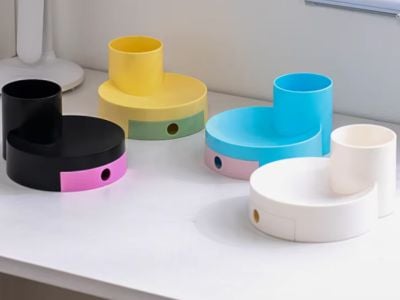
Creating a premium plastic pen holder requires careful consideration of materials to ensure durability, functionality, and aesthetic appeal. We will explore what materials are best for making premium plastic pen holders, addressing key buyer concerns such as quality, application suitability, and customization options. By understanding these factors, purchasing managers and product designers can make informed decisions that align with their specific needs and requirements. Shunxing provides plastic household products, including storage and organization solutions such as pen holders. When evaluating plastic pen holders from Shunxing, B2B buyers can consider factors such as material quality, durability, dimensions, design, surface finish, color options, customization capabilities, production capacity, and packaging requirements. These factors can help buyers select suitable products based on their intended application, target market, and branding needs
How to Evaluate Material Quality for Plastic Pen Holder Production
When selecting materials for plastic pen holders, quality is paramount. Buyers should evaluate materials based on several criteria:
Material Composition: Look for plastics that meet safety standards, especially if the pen holders are intended for educational or food-related environments. Food-grade materials, such as polypropylene (PP) and acrylonitrile butadiene styrene (ABS), are excellent choices that ensure safety and compliance
Physical Properties: Assess the material's strength, flexibility, and resistance to wear and tear. For example, a high tensile strength is essential for maintaining the pen holder's shape over time, while flexibility allows for slight deformation without breaking
Surface Finish: The surface finish of the material affects both aesthetics and functionality. A smooth surface is easier to clean and less prone to accumulating dust or stains, which is a critical factor for maintaining a professional appearance
Color and Appearance: Consider the color stability and whether the material can be dyed or printed on without compromising its integrity. This is particularly important for brands looking to customize pen holders with logos or designs
Environmental Impact: Evaluate if the materials are recyclable or made from recycled content, as sustainability is becoming increasingly important in the purchasing decision for many companies
Best Materials for Plastic Pen Holders
The most suitable materials for premium plastic pen holder for desks include:
Acrylonitrile Butadiene Styrene (ABS): Known for its strong impact resistance and durability, ABS is a common choice for pen holders. It can be easily molded and is available in various colors, making it ideal for customization
Polypropylene (PP): This lightweight and flexible material is resistant to chemicals and moisture, making it suitable for environments where spills might occur, such as offices or classrooms
Polycarbonate (PC): Offering exceptional clarity and strength, polycarbonate is ideal for transparent or translucent pen holders. Its high impact resistance ensures longevity and durability
Polystyrene (PS): This material is cost-effective and can be molded into intricate designs, making it a popular choice for promotional or low-cost pen holders
Each material has its strengths and weaknesses, so the best choice depends on the specific requirements of the application, such as durability, aesthetic appeal, and budget
Comparing Different Materials for Durable Plastic Pen Holders
When comparing materials for durability, consider the following aspects:
Tensile Strength: This measures the material's resistance to breaking under tension. For example, polycarbonate has a higher tensile strength than polystyrene, making it more suitable for environments where the pen holder may be subjected to stress
Impact Resistance: Materials like ABS and polycarbonate excel in impact resistance, ensuring the pen holder can withstand drops or impacts without cracking
Temperature Resistance: Some materials, like polycarbonate, maintain their properties even at elevated temperatures, while others may warp or lose structural integrity
Chemical Resistance: Consider the environment in which the pen holder will be used. For instance, polypropylene is resistant to many chemicals, making it suitable for industrial applications
By evaluating these factors, buyers can determine which material will provide the best longevity and performance based on their specific usage scenarios
Common Problems in Plastic Pen Holder Manufacturing and Solutions
During the manufacturing of plastic pen organizers, several challenges may arise:
Material Defects: Inconsistent material quality can lead to defects such as bubbles or uneven surfaces. To mitigate this, manufacturers should implement rigorous quality control measures and source materials from reliable suppliers
Molding Issues: Problems such as warping or incomplete filling can occur during the injection molding process. Proper machine calibration and temperature control are essential to ensure consistent results
Color Matching: Achieving consistent color across batches can be challenging. Manufacturers should maintain strict standards for color matching and consider using a color management system to ensure accuracy
Customization Challenges: Adding logos or designs can complicate production. It is vital to test the printing methods on the chosen material to ensure adhesion and longevity, as some printing methods may not work well with certain plastics
By anticipating these issues and employing suitable solutions, manufacturers can enhance product quality and reliability
Applications of Premium Plastic Pen Holders in Various Industries
Premium plastic pen holders have diverse applications across multiple sectors:
Office Environments: In corporate settings, pen holders help maintain organization on desks, often made with materials that complement office aesthetics
Educational Institutions: Schools frequently use colorful and durable pen holders that can withstand heavy use by students
Promotional Items: Many businesses utilize pen holders as promotional materials, choosing vibrant and customizable options that can carry their branding
Healthcare Facilities: In healthcare, pen holders made from antimicrobial plastics can help maintain hygiene standards while keeping writing instruments accessible
Understanding the specific needs of each application can help manufacturers and buyers select the right materials and designs for their pen holders, leading to better functionality and customer satisfaction
By focusing on material quality, evaluating durability, addressing manufacturing challenges, and recognizing application needs, purchasing managers and product designers can make informed decisions that enhance both the utility and appeal of plastic pen holders.